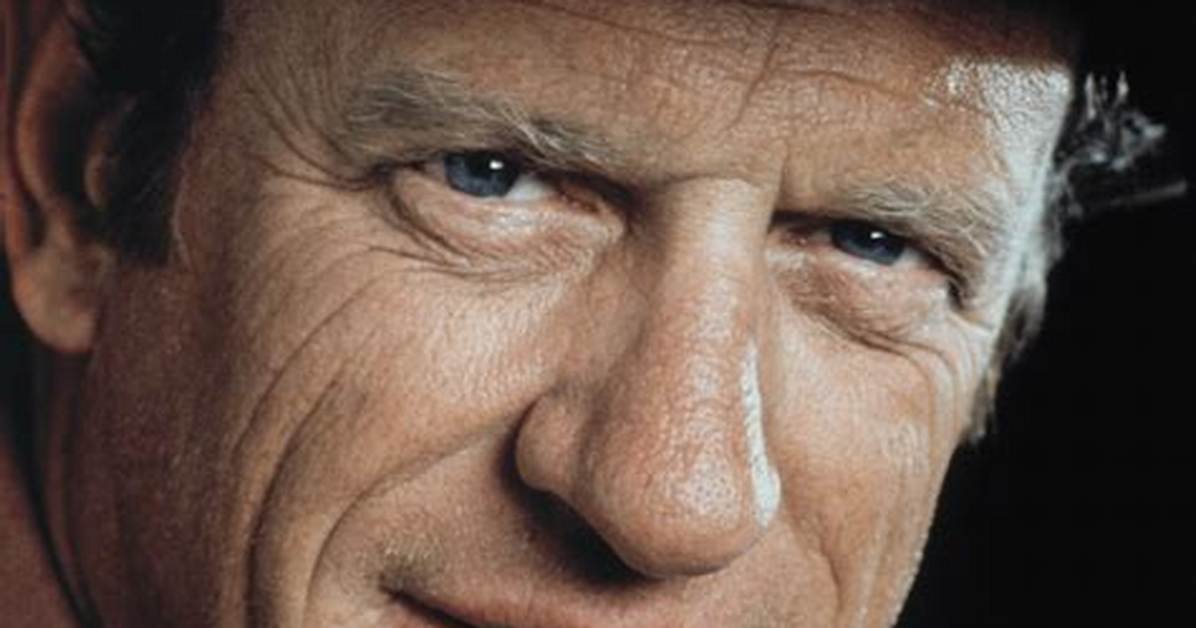
James Arness, a name synonymous with American television history, captured the hearts of millions with his portrayal of Marshal Matt Dillon in the long-running series "Gunsmoke." Born on May 26, 1923, Arness became one of the most recognized faces in the entertainment industry, leaving an indelible mark that continues to resonate with audiences today. His unique blend of rugged charm and deep emotional resonance made him a beloved figure in Hollywood, earning him not just fame but also respect as a consummate actor.
Throughout his illustrious career, James Arness showcased remarkable versatility, transitioning seamlessly from film to television and even excelling in various genres, including Westerns, dramas, and science fiction. His journey in the entertainment industry is not just a tale of individual success; it reflects the evolution of American television itself. In this article, we’ll explore the life, career, and legacy of James Arness, delving into the details that made him a standout figure in Hollywood.
Join us as we navigate through the intricacies of Arness's life, from his humble beginnings to his rise as a television icon. We will discuss his memorable roles, personal life, and the impact he had on the industry, illustrating why James Arness remains a significant figure in American pop culture.
1. Biography of James Arness
| Full Name | James King Arness |
|---|---|
| Date of Birth | May 26, 1923 |
| Place of Birth | Minneapolis, Minnesota, USA |
| Occupation | Actor, Producer |
| Years Active | 1947-2005 |
| Notable Works | Gunsmoke, The Thing, How the West Was Won |
| Spouse | Virginia Chapman |
| Children | 3 |
2. Early Life and Background
James Arness was born into a modest family in Minneapolis, Minnesota. His early years were marked by a love for sports and a keen interest in the arts. He attended Minneapolis Central High School and later the University of Minnesota, where he studied business. However, his passion for acting soon took center stage.
After high school, Arness served in the U.S. Army during World War II, where he was injured in battle. His wartime experiences shaped his character and influenced his future roles in film and television, often portraying strong, stoic figures.

