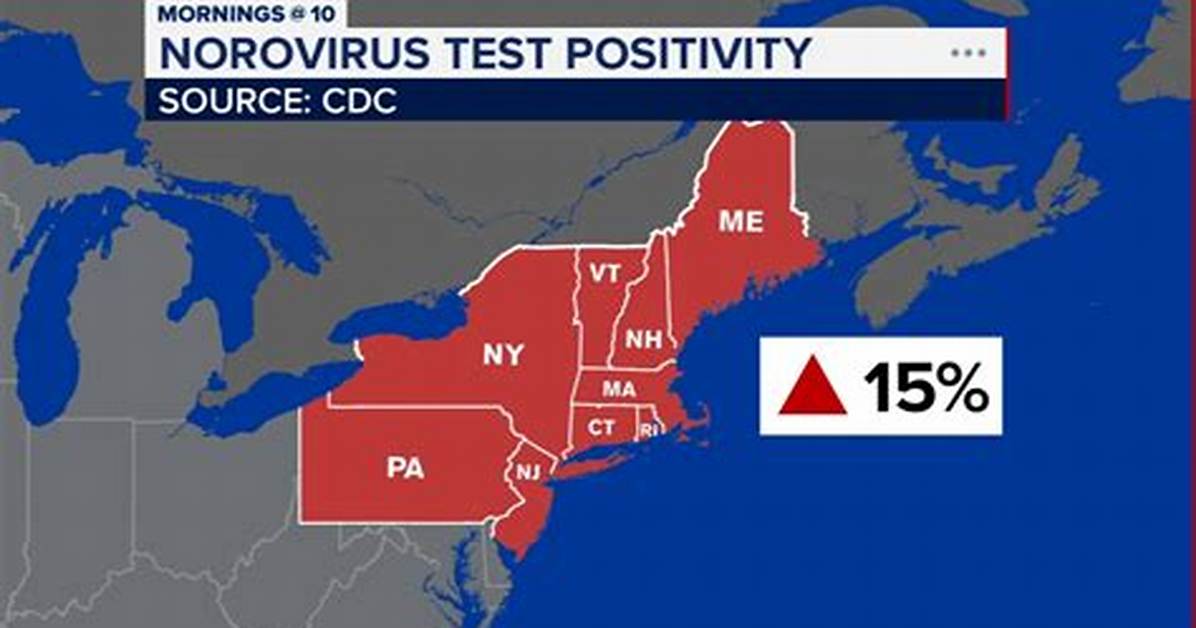
The world has recently been experiencing a surge in stomach virus outbreaks, causing concern among health officials and the general public alike. These viruses, commonly known for causing gastroenteritis, have various sources and can spread rapidly among communities. Staying informed through the current stomach virus outbreak map is essential for understanding where these outbreaks are occurring and how to take preventive measures. As we delve into this topic, we will explore the implications of these outbreaks, their symptoms, and the best practices to avoid infection.
The current stomach virus outbreak map serves as a valuable tool for tracking the geographic spread of these infections. It not only provides real-time updates on where cases are being reported but also helps identify potential hotspots for future outbreaks. Understanding this information can empower individuals and communities to take proactive steps to safeguard their health. As we navigate through the information presented in this article, we will address various aspects of the current stomach virus outbreak map and its significance in public health.
In light of the ongoing situation, it is crucial to recognize the symptoms of stomach viruses and the measures that can be taken to prevent their spread. By being aware of the current outbreaks and understanding how they are mapped, we can better protect ourselves and our families. This article will guide you through the current stomach virus outbreak map, answer common questions, and provide insights into the best practices for staying healthy during this challenging time.
What is the Current Stomach Virus Outbreak Map?
The current stomach virus outbreak map is a visual representation of reported cases of gastroenteritis viruses, helping to identify regions that are experiencing increased activity. This map typically includes data collected from health departments, hospitals, and laboratories to provide a comprehensive overview of where outbreaks are occurring. By analyzing this information, public health officials can implement necessary measures to control the spread of the virus.
How is the Current Stomach Virus Outbreak Map Created?
The creation of the current stomach virus outbreak map involves several steps:
- Data Collection: Health officials gather data from hospitals, clinics, and laboratories regarding reported cases.
- Analysis: The data is analyzed to identify patterns and hotspots of infection.
- Mapping: Information is then plotted on a map to visually represent the spread of the virus.
- Updates: The map is constantly updated as new data comes in to reflect the most current situation.
Who is Most Affected by Stomach Viruses?
Stomach viruses can affect anyone, but certain groups may be at higher risk. These groups include:
- Children: Young children are more susceptible due to their underdeveloped immune systems.
- Older Adults: Elderly individuals may have weakened immune responses, making them more vulnerable to infections.
- Individuals with Compromised Immune Systems: Those with chronic illnesses or weakened immunity are at greater risk.
What Are the Symptoms of Stomach Viruses?
Recognizing the symptoms of stomach viruses is key to seeking timely medical attention. Common symptoms include:
- Nausea and Vomiting
- Diarrhea
- Stomach Cramps
- Fever
- Headache
How Can We Prevent Stomach Virus Infections?
Preventing the spread of stomach viruses involves several key practices:
- Frequent Handwashing: Regular handwashing with soap and water can significantly reduce the risk of infection.
- Avoiding Close Contact: Limiting contact with infected individuals can help contain the virus.
- Staying Hydrated: Drinking plenty of fluids is essential, particularly if experiencing symptoms.
- Preparing Food Safely: Ensure proper cooking and hygiene practices in food preparation.
Where Can You Find the Current Stomach Virus Outbreak Map?
The current stomach virus outbreak map can be found on various public health websites, including:
- The Centers for Disease Control and Prevention (CDC)
- The World Health Organization (WHO)
- Local Health Departments

